
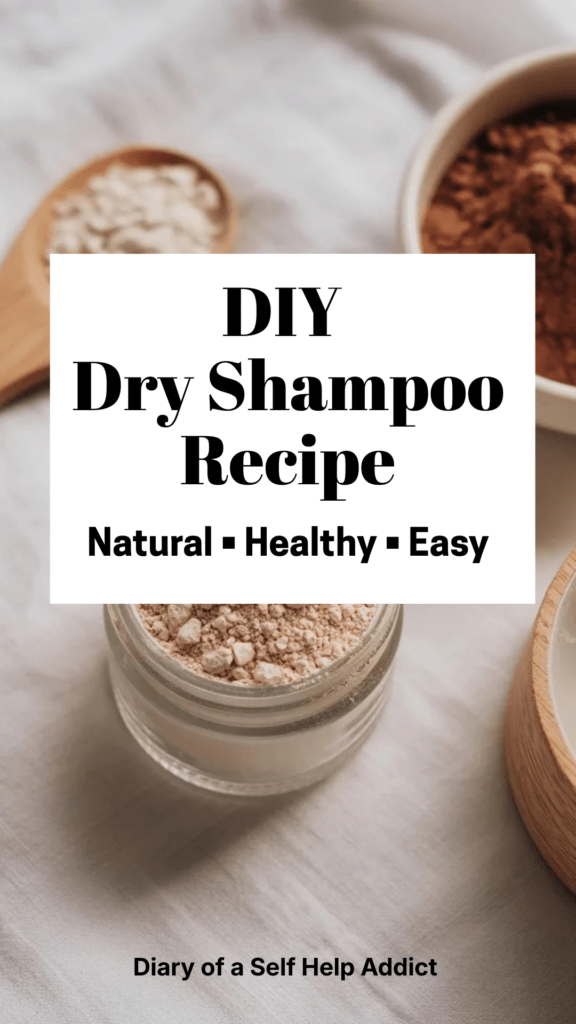
If you’ve ever reached for a can of dry shampoo to refresh your hair between washes, you’re not alone. Dry shampoo has become a staple in many beauty routines, offering a quick fix for oily roots and flat hair. But many commercial dry shampoos contain artificial fragrances, aerosol propellants, and questionable ingredients that may not be the healthiest choice for your scalp or your lungs.
The good news is that you can easily make your own DIY dry shampoo at home using simple, natural ingredients. Homemade dry shampoo is affordable, customizable, and free from harsh chemicals — making it a healthier option for both your hair and your overall wellness.
In this guide, we’ll cover how dry shampoo works, why a homemade version is often a better choice, the benefits of switching to natural ingredients, and an easy recipe you can make in minutes.
What Is Dry Shampoo and How Does It Work?
Dry shampoo is a powder-based product that absorbs excess oil from your scalp and hair without water. Your scalp naturally produces oils that protect your hair, but too much oil can leave hair looking greasy and weighed down.
Dry shampoo works by:
- Absorbing excess oil at the roots
- Adding volume and texture
- Refreshing hair between washes
- Extending the life of hairstyles
Traditional store-bought dry shampoos often come in aerosol sprays. While convenient, these sprays can contain alcohols, synthetic fragrances, and propellants that may irritate the scalp and contribute to product buildup. A DIY powder version provides the same oil-absorbing benefits without unnecessary additives.
Why Choose a DIY Dry Shampoo?
Fewer Chemicals
Many commercial dry shampoos contain ingredients you wouldn’t normally choose to put on your skin. Artificial fragrances and propellants can irritate sensitive scalps and may trigger headaches or respiratory irritation in some people.
A homemade version uses simple, recognizable ingredients that are gentler on your body and easier to control.
Healthier for Your Scalp
Your scalp is skin, and what you apply to it matters. Natural powders allow your scalp to breathe while absorbing oil without clogging follicles. A healthier scalp environment supports stronger, shinier hair over time.
Customizable for Your Hair Color
Store-bought dry shampoos sometimes leave a white residue, especially on darker hair. DIY dry shampoo can be customized with cocoa powder to blend seamlessly with your natural color.
Budget-Friendly
Commercial dry shampoos can be surprisingly expensive. Homemade versions cost a fraction of the price and last just as long.
Eco-Friendly
Making your own dry shampoo eliminates aerosol cans and excess packaging. Using reusable containers reduces waste and supports a more sustainable beauty routine.
Benefits of Using Natural Dry Shampoo
Switching to a homemade dry shampoo offers more than convenience. It can positively impact your overall hair care routine.
Extends Time Between Washes
Overwashing can strip your scalp of natural oils, leading to dryness or rebound oil production. Dry shampoo helps you space out washes and maintain a healthier oil balance.
Adds Volume and Texture
Fine or limp hair benefits from the extra grip and lift that powder-based dry shampoo provides. It can double as a light styling product, making hair easier to manage.
Reduces Heat Damage
When you wash your hair less frequently, you may also reduce the need for daily blow-drying and heat styling, which can damage hair over time.
Supports a Simpler Beauty Routine
DIY dry shampoo aligns with a more intentional approach to beauty. Fewer products with cleaner ingredients mean less clutter and fewer toxins in your daily routine.
Easy DIY Dry Shampoo Recipe
This simple homemade dry shampoo blends oil-absorbing powders with gentle clay to refresh hair naturally. It’s lightweight, effective, and easy to customize for different hair colors and scalp sensitivities.
Ingredients
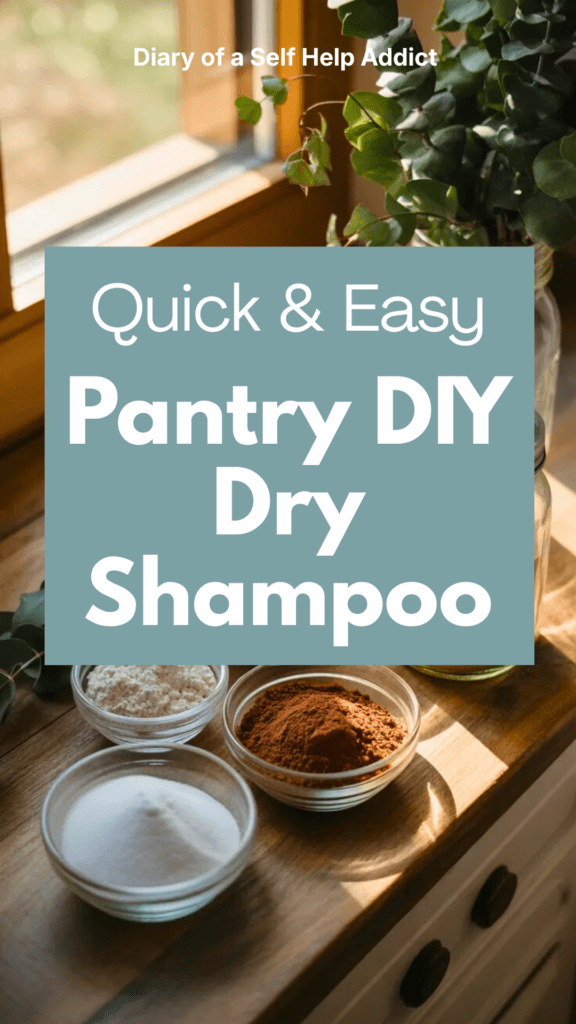
4 tablespoons arrowroot powder
1 tablespoon kaolin clay
1 teaspoon baking soda
1 tablespoon cocoa powder (adjust for lighter or darker hair)
Instructions
Mix all ingredients thoroughly in a small bowl until evenly combined. Transfer the mixture to a clean shaker jar or airtight container for easy application.
How to Apply
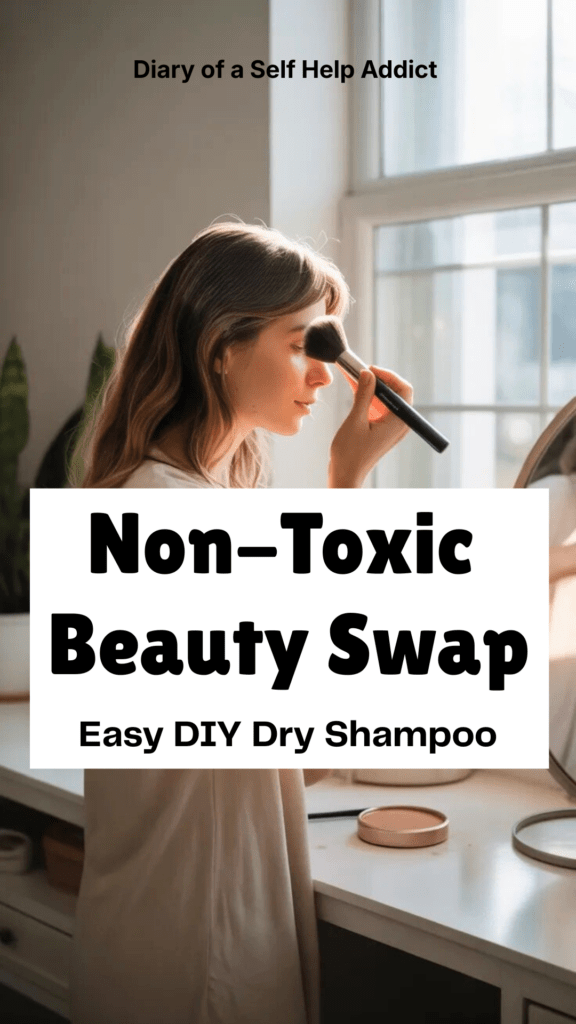
Dip a fluffy makeup brush into the jar and tap off any excess. Lightly apply the powder directly to your roots, focusing on oily areas. Let it sit for about a minute to absorb excess oil, then gently brush or massage it through your hair to distribute evenly. Start with a small amount — you can always add more if needed.
For Sensitive Scalps
If you have a sensitive or dry scalp, omit the baking soda and increase the arrowroot powder slightly. This keeps the formula gentle while still effective.
Ingredient Breakdown: Why These Work
Understanding the purpose of each ingredient helps you customize your recipe.
Arrowroot powder is excellent at absorbing oil and moisture while keeping hair soft and lightweight. It serves as the base for the dry shampoo.
Kaolin clay gently detoxifies the scalp and enhances oil absorption without being overly drying. It’s one of the mildest clays, making it suitable for most hair types.
Baking soda boosts oil absorption and helps neutralize odors. However, it can be drying for some people. If your scalp is sensitive, it’s perfectly fine to leave it out.
Cocoa powder adds natural color, making the blend invisible on darker hair. It also gives the dry shampoo a pleasant scent.
Disclaimer: Some of the links below are Amazon affiliate links. If you purchase through them, I may earn a small commission at no extra cost to you. I only recommend products I trust or that have solid value. Read my privacy policy and disclosure here.
Is DIY Dry Shampoo Really Healthier?
Homemade dry shampoo avoids many of the concerns associated with aerosol products and synthetic fragrances. You control every ingredient, which is especially helpful if you have sensitive skin or prefer cleaner beauty products.
DIY formulas also avoid inhaling chemical propellants found in aerosol sprays. While powder dry shampoo should still be applied carefully to avoid breathing in excess dust, it generally contains fewer potentially irritating substances.
Another major benefit is ingredient transparency. With homemade products, you always know exactly what’s touching your scalp.
Tips for Best Results
To get the most from your homemade dry shampoo:
- Apply it at night to absorb oil while you sleep
- Use a fluffy brush for even distribution
- Avoid overapplying to prevent buildup
- Wash hair regularly to maintain scalp health
- Store in a dry container to prevent clumping
Dry shampoo is a helpful tool, but it shouldn’t completely replace washing. Regular cleansing removes sweat, dirt, and product buildup.
Potential Concerns and Safety Notes
While DIY dry shampoo is generally safe, moderation is important.
Using too much product or applying it too frequently may lead to buildup that clogs hair follicles. This can cause scalp irritation or dull-looking hair. Be sure to wash your hair thoroughly on wash days.
If you have a sensitive scalp, test ingredients on a small patch of skin first. Skip baking soda if you notice dryness or irritation.
Custom Variations for Different Hair Types
One of the biggest advantages of DIY dry shampoo is the ability to customize it.
For Oily Hair
Add a a little extra (small amount) kaolin clay for stronger oil absorption.
For Sensitive Scalps
Use only arrowroot powder and kaolin clay. Skip baking soda entirely.
For Light Colored Hair
Stick with plain arrowroot powder and clay for an invisible finish.
For Dark Hair
Gradually increase the cocoa powder until the shade matches your roots. Smells sooooo good!
Kelly’s Thoughts: A Simple Switch with Big Benefits
Making your own dry shampoo is a small change that can have a meaningful impact on your beauty routine. It’s healthier, more affordable, environmentally friendly, and fully customizable to your needs.
DIY dry shampoo empowers you to take control of what you put on your body while still enjoying the convenience of fresh-looking hair between washes. With just a few natural ingredients and a couple of minutes, you can create a product that supports both your hair and your overall wellness.
If you’re looking to simplify your routine and embrace cleaner beauty choices, homemade dry shampoo is an easy place to start.
Have you ever tried making your own dry shampoo? Let me know in the comments if you’re going to try this recipe or if you have your own favorite DIY beauty hacks to share!
Pin it for later
Leave a Reply