Over the years, I’ve slowly built a life that leans heavily toward doing things myself. It didn’t happen overnight, and it didn’t start as some big money-saving mission. It started with curiosity.
Could I make this at home?
Would it be healthier?
Would it feel more satisfying?
The surprising side effect was how much money it saves. But even more than that, it’s given me a sense of independence and intention that I didn’t realize I was craving.
These are the places where I consistently save money by choosing homemade, DIY, and intentional living — and why I keep coming back to these habits.
Everyday Household Swaps That Add Up
Some of the biggest savings come from the small, everyday things we buy on autopilot.
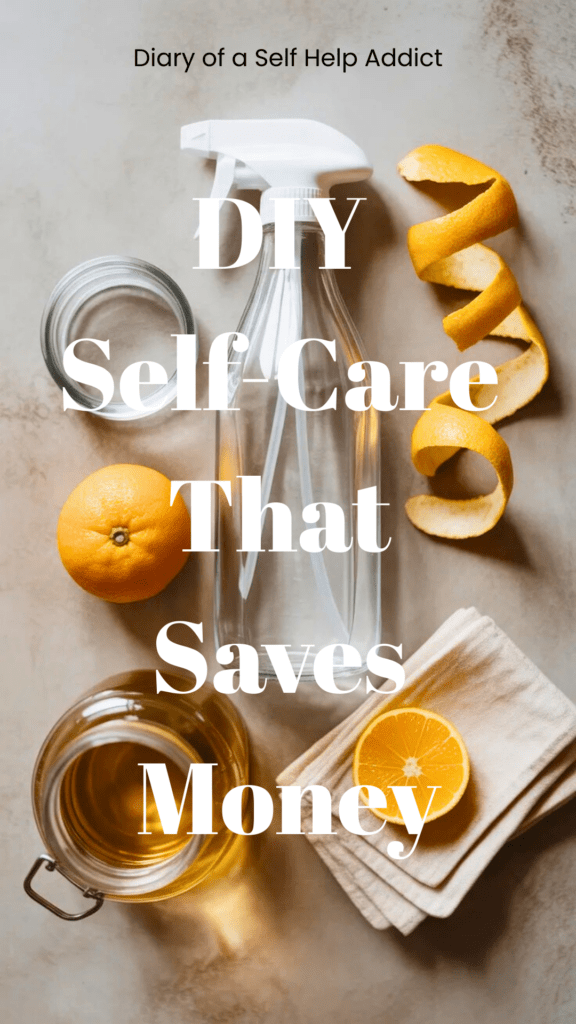
I make my own all-purpose cleaner using vinegar and citrus peels. It costs pennies compared to store-bought cleaners, avoids harsh chemicals, and smells fresh naturally. Once you start making simple cleaners, it’s hard to go back.
Related Read: THE ULTIMATE GUIDE TO CLEANING WITH NATURAL, HEALTHIER PRODUCTS
I also use homemade laundry detergent and wool dryer balls instead of dryer sheets. Dryer sheets are one of those items I used to buy without thinking. Switching to reusable wool balls eliminated a recurring expense while reducing waste.
For personal care, I lean heavily into DIY. I make dry shampoo, soak in simple Epsom salt bath blends, and experiment with natural skincare routines. These swaps aren’t just cheaper — they’re customizable. I know exactly what’s going on my body.
And when cold and flu season hits, I keep homemade elderberry syrup and fire cider on hand. It’s one of those things that feels empowering to make yourself, and it’s far more affordable than buying pre-made versions.
Kitchen Staples I Refuse to Buy Anymore
The kitchen is where DIY living shines.
I regularly make chicken and vegetable broth from scraps that would otherwise be thrown away. Onion skins, carrot ends, celery tops — they all go into a freezer bag until I’m ready to simmer a pot of broth. It’s nourishing, nearly free, and reduces food waste.
Sourdough bread is another staple. Baking bread at home connects me to a slower rhythm of living. Yes, it takes time, but the cost savings and quality are unmatched. The same goes for homemade yogurt, which is surprisingly simple and far cheaper than buying individual containers.
I almost never buy bottled salad dressings anymore (except for Catalina, because my husband is addicted to it!). A few pantry staples—olive oil, vinegar, mustard, herbs—yield endless variations. It’s healthier and dramatically cheaper.
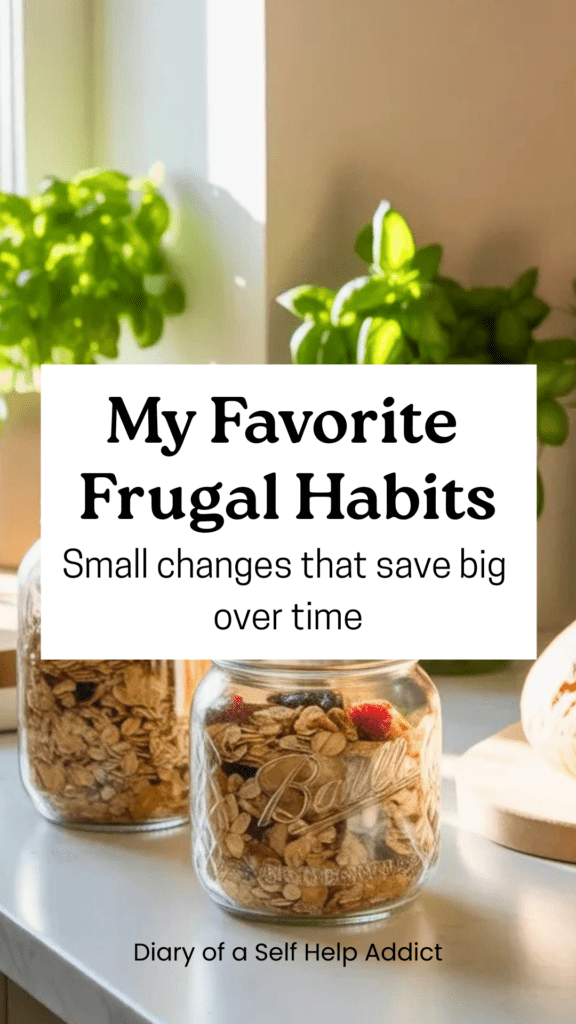
For snacks, I stick to simple homemade options like granola, energy bites, and popcorn. Pre-packaged snacks are convenient, but they’re one of the fastest ways to inflate a grocery bill. Making snacks at home keeps ingredients simple and costs low.
Growing and Preserving My Own Herbs
Herbs are one of the easiest and most rewarding things to grow.
Instead of buying small bundles that wilt in the fridge, I grow my own herbs. During the growing season, I harvest and dehydrate herbs for tea and cooking. There’s something deeply satisfying about reaching into a jar of herbs you preserved yourself.
I also love propagating plants from cuttings. It feels like a small miracle every time a new plant takes root. Over time, this habit has expanded my garden without expanding my budget.
Lessons From My Mom: Buy Quality Once
One of the best financial lessons I learned came from my mom: buy quality once instead of cheap repeatedly. She always said they don’t make things as they used to — and she’s not wrong.
When I invest in durable items, I replace them less often. This mindset applies to cookware, clothing, tools, and household essentials. It’s not about buying the most expensive option; it’s about choosing well-made items that last.
Borrowing, Bulk Buying, and Planning Ahead
Not everything has to be owned.
I’m a big believer in borrowing instead of buying whenever possible. Libraries, neighbors, and community sharing make it easy to access things without permanently adding to your home.
When I do buy, I often purchase in bulk for staples we use regularly. Combined with meal planning, this dramatically reduces impulse takeout and last-minute grocery runs.
Planning ahead isn’t restrictive — it’s freeing. It removes decision fatigue and keeps spending aligned with intention.
DIY Gifts and Minimalist Living
Gift-giving doesn’t have to mean overspending.
I love making DIY gifts like candles, baked goods, and herbal teas. Handmade gifts carry a personal touch that store-bought items can’t replicate.
This ties into my broader commitment to minimalism and intentional consumption. I try to bring fewer, better things into my life. When I do buy something, it’s with purpose.
Learning basic repair skills supports this mindset. Fixing something instead of replacing it feels like a small act of rebellion against disposable culture.
Investing Time Instead of Money
Many of these habits share a common thread: they require time.
We often trade money to save time, but I’ve found joy in sometimes reversing that equation. Investing time instead of money reconnects me with the process behind everyday essentials.
It slows life down in a way that feels grounding.
My Love for DIY Skincare and At-Home Self-Care
If I can do it at home, I’m going to try.
I’m unapologetically a DIY skincare girl. I do at-home facials, microneedling, and create DIY hair masks tailored to what my skin and hair need in the moment.
I maintain a simple skincare routine, handle my own manicures and pedicures, and use massage tools instead of frequent spa visits. I even enjoy home sauna and steam routines.
These practices save money, but they also transform self-care into a ritual rather than an appointment. They give me space to tune in and intentionally take care of myself.
Why This Lifestyle Matters
At first glance, these choices might look like a collection of frugal tips. But for me, they represent something deeper.
They’re about self-sufficiency. Creativity. Slowing down. Understanding where things come from and how they’re made.
Each homemade swap is a small reminder that we’re capable of more than we think. We don’t have to outsource every aspect of our lives.
And the financial savings? They’re a beautiful bonus.
Kelly’s Thoughts: Starting Small
If this lifestyle appeals to you, start with one or two changes. Make your own cleaner. Bake a loaf of bread. Grow a pot of herbs on your windowsill.
You don’t need to do everything at once. The goal isn’t perfection — it’s intention.
Over time, these small shifts add up. They reshape not just your budget, but your relationship with the things you use every day.
And that, to me, is worth more than the dollars saved.
Comment below and share your DIY money-saving hacks for intentional living. I’d love to know!
Pin it for later
I love lending libraries and sourdough. Thank you for the great new ideas and for reminding me of options I’d forgotten about!
I love making things myself but have so much more to learn. Thanks for sharing more ideas!
Oh Kelly… I love this article so much. I see myself doing more and more of this with work stressors going away soon! Making soaps and candles are a delight for me to make and not just practical
Thank you
Kim
Awww, thanks friend! You’re the one who’s inspired me to do “all the things”!! Hugs!
So much great tips! Thank you!