

Cayenne pepper isn’t just a spice to add heat to your favorite dishes—it’s a natural remedy that has been celebrated for centuries in herbal medicine. From enhancing circulation and metabolism to relieving pain and even supporting heart health, cayenne pepper offers a surprisingly wide array of benefits packed into a tiny red powder.
After struggling with post-COVID heart complications in 2020 and 2021, I started a simple habit: ½ teaspoon of cayenne pepper in a half teaspoon of honey every morning. The results? More energy, warmer feet (no more icy toes!), and no adverse side effects. I now rely on this fiery spice a few days at a time when I feel under the weather, pairing it with my go-to immunity shot (ginger, turmeric, lemon, and orange juice).
Let’s dive into the evidence-based benefits of cayenne pepper, why it works, and how you can use it safely.
What Is Cayenne Pepper?
Cayenne pepper (Capsicum annuum) is a type of chili pepper that belongs to the Solanaceae family, also known as the nightshade family. It’s native to Central and South America and has been used in traditional medicine for over 9,000 years. The active compound responsible for its heat and health benefits is capsaicin, a chemical that interacts with the nervous, circulatory, and immune systems in fascinating ways.

Top Health Benefits of Cayenne Pepper
1. Boosts circulation
Poor circulation can lead to cold extremities, fatigue, and even serious cardiovascular issues. Cayenne pepper works as a vasodilator, meaning it helps expand blood vessels, thereby improving blood flow and oxygen delivery throughout the body.
In my own experience, one of the first noticeable effects of taking cayenne pepper in honey or water was that my perpetually cold feet were no longer icy. This warmth and flushing sensation is a sign of improved blood flow, especially to the periphery.
A study published in the Open Heart Journal found that capsaicin enhances nitric oxide production, which relaxes blood vessels and promotes circulation.
2. Supports Cardiovascular Health
Cayenne pepper may be a powerful ally for your heart. Capsaicin has been shown to reduce blood pressure, cholesterol levels, and the risk of blood clots, factors that are crucial for preventing heart disease.
According to the Cleveland Clinic, some animal studies suggest cayenne pepper may reduce the risk of heart disease and strokes and lower triglyceride levels.
After experiencing cardiac symptoms from long COVID, I incorporated cayenne into my morning routine. Although I can’t claim it healed my heart, it has become a staple that supports my circulation and energy, both of which are key to cardiovascular recovery.
3. Increases Metabolism and Aids Weight Management
Feeling sluggish? Cayenne pepper may give your metabolism a fiery kick. Research shows that capsaicin can increase heat production, which may help the body burn more calories.
A 2023 review in Medical News Today reported that capsaicin can increase satiety and reduce calorie intake, making it potentially helpful for weight management.
Some people also use cayenne in combination with intermittent fasting or pre-workout routines to boost fat oxidation and energy levels.
4. Natural Pain Relief
Capsaicin’s interaction with the body’s pain receptors makes it a popular ingredient in topical creams for arthritis, back pain, and neuropathy. It works by depleting “Substance P”: a neurotransmitter that signals pain to the brain.
Interestingly, when consumed orally, cayenne may also help reduce certain types of internal pain and inflammation.
According to MedicineNet, cayenne may be helpful for migraine relief and has been used traditionally to ease menstrual pain and digestive cramping.
5. Supports Digestive Health
Although it might seem counterintuitive, cayenne pepper can actually soothe the digestive tract in many people. It stimulates salivary flow and gastric juices, helping with digestion and nutrient absorption.
Capsaicin also stimulates peristalsis: the muscular contractions that move food through the digestive tract. This can be beneficial for individuals experiencing sluggish digestion or bloating.
Additionally, cayenne is known for its antimicrobial properties. It may help fight pathogens in the gut and promote a healthier gut flora.
6. Immune-Boosting Properties
Cayenne is packed with immune-supporting nutrients, including vitamin A, vitamin C, beta-carotene, and antioxidants. But its real magic may lie in its ability to enhance blood flow and lymphatic drainage, helping immune cells reach infections faster.
When I feel the first signs of a cold coming on such as fatigue, a scratchy throat, or congestion… I take a shot of fresh orange, lemon, ginger, turmeric, and ½ tsp cayenne pepper. It delivers a zesty, warming punch that instantly makes me feel more energized and alert. Anecdotally, I believe it helps reduce the severity of my symptoms.
Capsaicin also thins mucus and helps clear nasal congestion by stimulating secretions, making it an effective natural decongestant.
Related Read: THE TOP 5 SUPPLEMENTS I REACH FOR WHEN I FEEL A COLD COMING ON
7. Potential Anti-Cancer Properties
Early research suggests capsaicin may have anti-cancer effects by slowing the growth of certain cancer cells and promoting apoptosis (programmed cell death). Although this research is still in its early stages and primarily limited to laboratory studies, it’s promising.
A review in Anti-cancer Research stated that capsaicin shows “significant antitumor activity in several human cancer cell lines,” but more clinical trials are needed.
It’s too early to draw firm conclusions, but this area of research is definitely one to watch.
8. Blood Sugar Regulation
Cayenne pepper may help regulate blood sugar levels by improving insulin sensitivity. In some studies, participants who consumed meals with capsaicin experienced smaller blood sugar spikes compared to those who didn’t.
This effect is significant for people managing insulin resistance or type 2 diabetes.
By stabilizing blood sugar, cayenne can help reduce energy crashes and sugar cravings, making it a great addition to a balanced diet.
9. A Surprising Bonus: Natural First Aid?
Not only does cayenne pepper boost circulation, but it also has blood-clotting properties that may help stop bleeding. Years ago, I had a cut on my hand that wouldn’t stop bleeding. I remembered hearing about using cayenne and decided to give it a try. I sprinkled a little on the wound—yes, it burned slightly for about 10 seconds—but to my surprise, the bleeding stopped quickly and I swear it healed faster than usual. Nature is wild!

How to Take Cayenne Pepper Safely
My Morning Cayenne Routine
Here’s how I use cayenne for circulation and energy:
Ingredients:
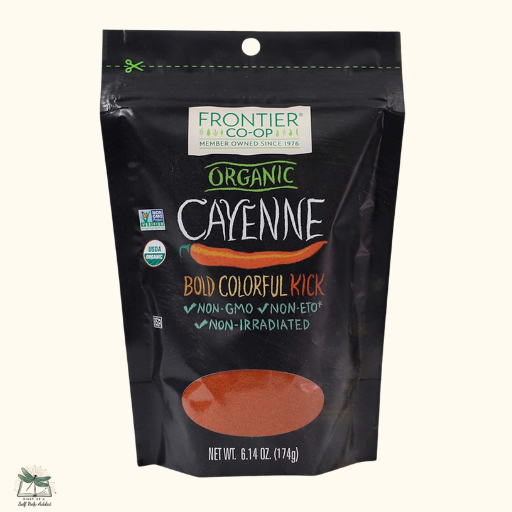
- ½ tsp organic cayenne pepper
- 8 oz warm (not hot) water
- Optional: squeeze of lemon juice or a dash of apple cider vinegar
Instructions:
- Thoroughly mix the cayenne into the warm water.
- Drink slowly first thing in the morning on an empty stomach.
I typically do this for a few days in a row or whenever I feel my body needs an extra boost- especially during colder months or at the onset of a cold.
My Immunity Shot Recipe
This spicy wellness shot is my go-to when I feel run down:
Ingredients:
- Juice of 1 lemon
- Juice of 1 orange
- 1-inch piece of fresh ginger (juiced or blended)
- 1-inch piece of fresh turmeric (or ½ tsp ground)
- ½ tsp cayenne pepper
Blend or shake all ingredients and take them as a single shot. You’ll feel the heat immediately—but it works!
Related Read: EASY & DELICIOUS HOMEMADE IMMUNE-BOOSTING DRINK RECIPE
Potential Side Effects and Who Should Avoid Cayenne Pepper
While cayenne pepper is generally safe for most people, there are some precautions:
Possible Side Effects:
- Temporary burning sensation in the mouth or throat
- Stomach discomfort or nausea (especially in higher doses)
- Increased sweating or flushing
- Irritation for people with ulcers or acid reflux
Start with a tiny amount (¼ tsp) if you’re new to cayenne. Drinking it with warm (not hot) water can help minimize discomfort.
Avoid If You:
- Have a history of stomach ulcers, GERD, or severe acid reflux
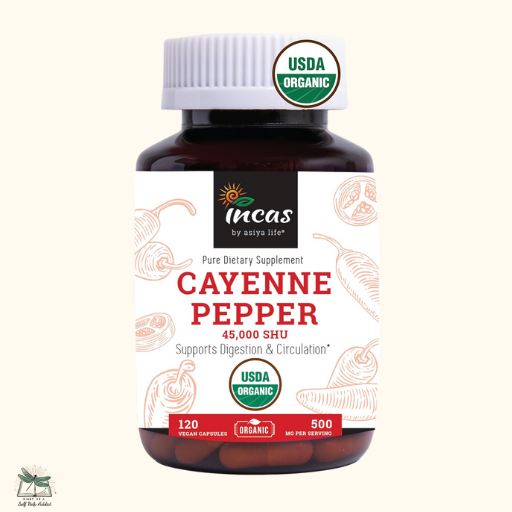
- Take blood thinners (consult your doctor first)
- Are allergic to nightshade vegetables
Always consult a healthcare provider before starting any new supplement routine, especially if you have underlying health conditions.
Kelly’s Thoughts: Small Spice, Big Benefits
Cayenne pepper is more than just a kitchen staple…. it’s a powerful natural remedy that supports circulation, digestion, immunity, and metabolism. My personal journey with cayenne began out of necessity during a difficult recovery from COVID-related heart complications, and it’s become one of the most valuable wellness tools in my daily life.
Whether you’re sipping it in warm water, adding it to your wellness shots, or sprinkling it on your meals, cayenne can deliver numerous health benefits with minimal effort.
Have You Tried Cayenne Pepper?
If you’ve experimented with cayenne pepper for improving circulation, boosting immunity, or increasing energy, I’d love to hear about your experience! Drop a comment below or share your favorite cayenne concoctions with me on social media.
Stay well!
Xoxo,
Kelly
Note: This post is for informational purposes only and should not be considered medical advice. Always consult with a healthcare provider before adding new supplements to your routine. Read my privacy policy and disclaimer here.
Shop This Post
As an Amazon Associate, I earn a small commission on qualifying purchases at not extra cost to you. Thank you for supporting my small business!

Pin it for later

We love our homemade cayenne salve. It really seems to help my Grandpa’s blood circulation. He’s not having as much numbness in his feet or hands when he uses it regularly. Cayenne is so beneficial!