If you had told me years ago that I’d spend this much time thinking about protein, I probably would’ve laughed. Like many women, I grew up hearing about protein mostly in the context of bodybuilders carrying gallon water jugs and eating endless grilled chicken breasts and raw eggs. Meanwhile, I was over here trying to force myself to eat a turkey sandwich that I didn’t even enjoy.
And honestly? I still don’t love meat. Especially poultry or fish. When I was 8 years old, I remember telling my mom at the dinner table that I couldn’t eat chicken breast because it felt like I was eating human flesh. Thankfully, she didn’t force me to eat it, and I barely ate meat again until my 20s. The problem was that I didn’t really pay attention to, or even understand, the importance of getting enough protein until later in life.
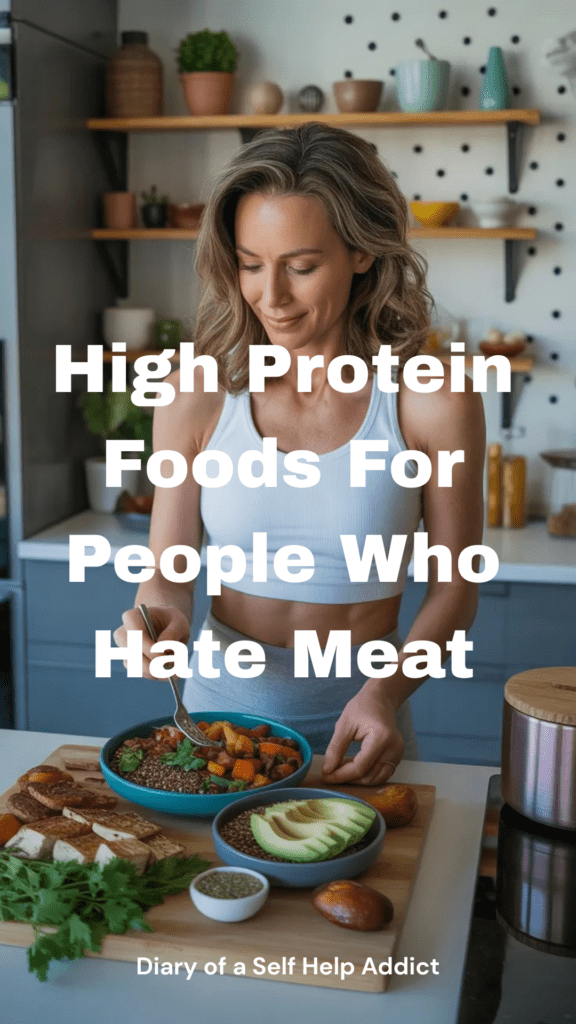
The good news is that you absolutely can get enough protein without building every meal around chicken, tuna, or turkey. In fact, there are a lot of surprisingly high-protein foods that can help you hit your goals while also giving your body fiber, vitamins, minerals, and nutrients that many Americans are lacking.
As a Pilates instructor for over 26 years, I’ve seen firsthand how important protein becomes as we age — especially for muscle maintenance, recovery, metabolism, hormone balance, bone health, and overall healthy aging. And if you’re exercising regularly, trying to lose fat, or navigating perimenopause or menopause, getting enough protein matters even more.
Why Protein Matters More Than Most Women Realize
It isn’t just about building visible muscle. Your body uses protein for:
- Muscle repair and recovery
- Hair, skin, and nail health
- Hormone production
- Enzymes and neurotransmitters
- Immune function
- Bone health
- Satiety and appetite control
- Blood sugar balance
One of the biggest mistakes I see women make is under-eating protein while simultaneously trying to lose weight. The result? They often lose muscle along with body fat, which can slow metabolism and leave them feeling weak, tired, and “skinny fat.”
This becomes especially important during perimenopause and menopause, when declining estrogen naturally increases the risk of muscle loss.
How Much Protein Should You Eat Daily?
This is where things get confusing because recommendations vary wildly online.
The bare minimum RDA (Recommended Dietary Allowance) is:
- 0.8 grams per kilogram of body weight
But many experts believe that amount is simply enough to prevent deficiency… not necessarily enough for optimal health, muscle maintenance, or body composition.
For active adults, especially women over 35, many nutrition professionals recommend:
- 1.2–2.0 grams per kilogram of body weight
A simpler way to estimate:
- Sedentary adults: about 0.5 grams per pound
- Active adults: about 0.7–1 gram per pound
- Fat loss or muscle building goals: often closer to 0.8–1 gram per pound
Female Example
A moderately active 150-pound woman may benefit from:
- 105–135 grams of protein daily
Male Example
A moderately active 180-pound man may benefit from:
- 125–180 grams daily
Height Matters Too
Taller individuals generally carry more lean body mass and often require more protein. Muscle mass, age, activity level, and goals all matter more than height alone.
Older Adults Need More Protein
Research suggests older adults may require more due to “anabolic resistance,” meaning the body becomes less efficient at utilizing protein with age.
That means someone in their 50s, 60s, or beyond may actually need higher protein intake than they did in their 20s.
How to Monitor Macros Without Becoming Obsessed
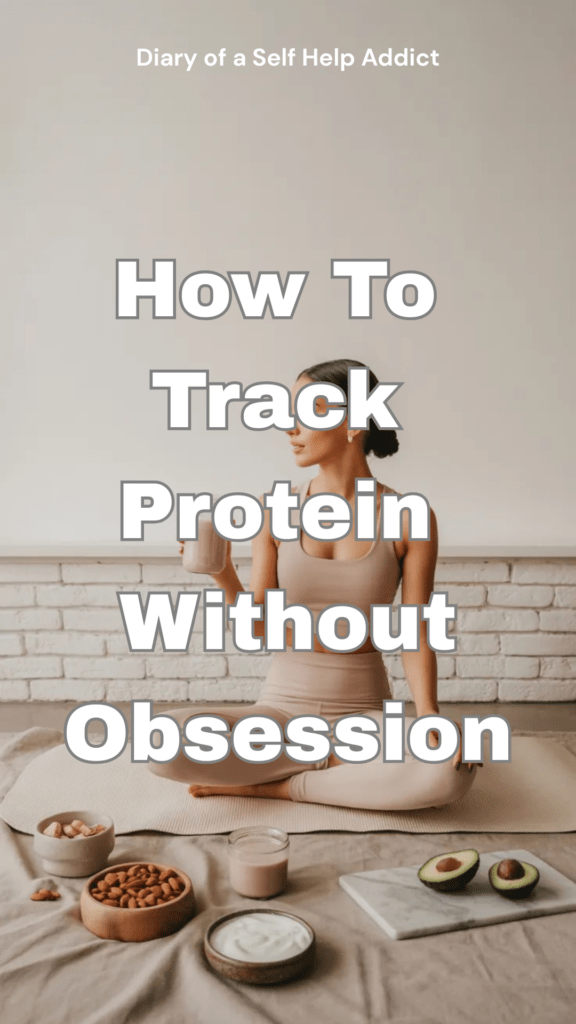
Tracking macros sounds intimidating, but it can actually be eye-opening. Most people dramatically underestimate how little protein they’re eating. You don’t necessarily need to track forever, but even tracking for a couple of weeks can teach you a lot.
What Are Macros?
Macros = macronutrients:
- Protein
- Carbohydrates
- Fat
Protein contains 4 calories per gram.
Easy Ways to Track Protein
Popular macro tracking apps include:
- MyFitnessPal
- Cronometer
- Lose It!
Personally, I like apps that also show micronutrients because if you’re eating mostly plant-based, it’s smart to monitor nutrients like:
- Iron
- B12
- Zinc
- Omega-3s
- Calcium
A Simple Goal
Instead of obsessing over perfection, focus on this question: “Can I include a quality protein source at every meal?” That one habit alone can make a huge difference.
Related Read: VANILLA PROTEIN BLUEBERRY MUFFINS (HEALTHY DESSERT THAT DOUBLES AS BREAKFAST)
What Are Essential Amino Acids?
Amino acids are the building blocks of protein.
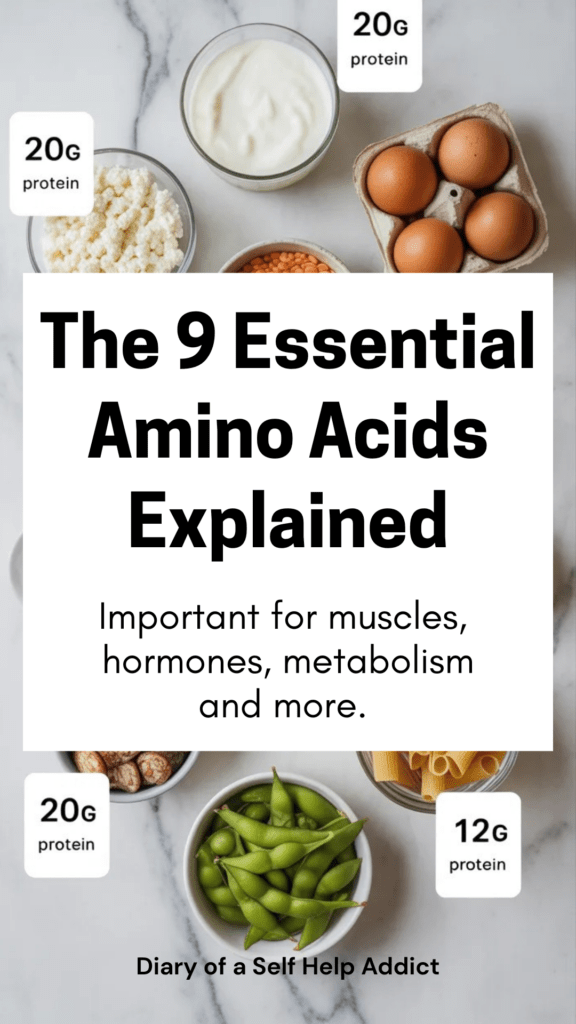
Your body can make some amino acids on its own, but there are 9 “essential” amino acids that you must get from food because your body cannot produce them.
These essential amino acids are involved in:
- Muscle repair and growth
- Hormone production
- Neurotransmitters
- Energy production
- Recovery from exercise
- Immune function
- Skin, hair, nails, and connective tissue health
The 9 essential amino acids are:
- Histidine
- Isoleucine
- Leucine
- Lysine
- Methionine
- Phenylalanine
- Threonine
- Tryptophan
- Valine
Why Leucine Matters So Much
Leucine is especially important because it helps stimulate muscle protein synthesis… basically the process your body uses to build and maintain muscle. This becomes increasingly important as we age because maintaining lean muscle mass is critical for:
- Strength
- Metabolism
- Bone health
- Longevity
- Healthy aging
Are Vegetarian Proteins the Same as Animal Proteins?
This is where the internet loves to argue. The truth is nuanced.
Animal Proteins Are “Complete Proteins”
Animal products contain all 9 essential amino acids in ideal ratios for human needs.
Examples include:
- Eggs
- Dairy
- Beef
- Chicken
- Fish
- Whey protein
These proteins are highly bioavailable, meaning the body absorbs and utilizes them efficiently.
Many Plant Proteins Are Lower in Certain Amino Acids
Some plant proteins are lower in one or more essential amino acids.
For example:
- Beans are lower in methionine.
- Grains are lower in lysine.
But this does not mean plant proteins are bad. It simply means variety matters more.
Can You Get Enough Essential Amino Acids From Plants?
Absolutely. You do not need to perfectly combine proteins at every meal, as older nutrition myths suggested. If you eat a variety of the foods listed below throughout the day, most people can obtain all essential amino acids.
- Beans
- Lentils
- Nuts
- Seeds
- Whole grains
- Soy products
Plant-Based Proteins That Contain All 9 Essential Amino Acids
Some plant foods are already complete proteins.
Soy Foods
Soy is one of the best-studied complete plant proteins.
Examples include:
- Tofu
- Tempeh
- Edamame
- Soy milk
Soy is also relatively high in leucine compared to many other plant proteins. And honestly? I used to think soy was terrible for us. Like a lot of people, I’d heard all the scary claims:
- “Soy increases estrogen.”
- “Soy causes hormone problems.”
- “Soy contributes to estrogen-based diseases.”
- “Soy can cause issues like hypospadias in males.”
- “Men shouldn’t eat soy.”
But after digging into the research more deeply, I realized a lot of the fear around moderate soy consumption may be overblown or misunderstood.
Soy contains phytoestrogens called isoflavones, but these are not the same thing as human estrogen. In some cases, they may have protective effects, depending on the person, the amount consumed, gut health, and overall diet.
I’m planning to write a full blog soon, diving deeper into soy because this topic is way more nuanced than social media makes it sound. That said, I do personally think quality matters. If you choose soy foods, I’d prioritize:
- Organic whenever possible
- Less processed forms
- Traditional soy foods like tempeh, edamame, tofu, and miso
Instead of heavily processed soy additives found in ultra-processed foods.
Quinoa
Quinoa is technically a seed, not a grain, and it contains all 9 essential amino acids. It also provides:
- Fiber
- Magnesium
- Iron
Hemp Seeds
Hemp hearts are surprisingly protein-rich and contain all essential amino acids. They’re easy to add to:
- Smoothies
- Yogurt
- Oatmeal
- Salads
Chia Seeds
Chia seeds are considered a complete protein and also provide:
- Fiber
- Omega-3 fats
- Minerals
Buckwheat
Despite the name, buckwheat is not related to wheat. It’s another plant food containing all 9 essential amino acids.
Amaranth
Amaranth is an ancient grain with a surprisingly impressive protein profile.
Spirulina
Spirulina is technically an alga and contains all essential amino acids. It’s very nutrient-dense, though usually eaten in smaller amounts.
Are Plant Proteins Good Enough for Muscle Building?
Yes, but there are some considerations.
Plant proteins are often:
- Slightly less bioavailable
- Lower in leucine
- Less concentrated gram-for-gram
This means vegetarians and vegans may benefit from:
- Slightly higher total protein intake
- More intentional meal planning
- Higher-protein plant foods
- Possibly supplementing strategically
That said, many athletes build impressive physiques on plant-based diets. You can absolutely maintain muscle and support healthy aging with a predominantly plant-based diet.
Why Plant Proteins May Actually Be Better in Some Ways
This is something people often overlook. Animal products contain protein, but plant sources also have:
- Fiber
- Antioxidants
- Polyphenols
- Phytonutrients
- Magnesium
- Potassium
And most Americans are severely lacking fiber.
Why Fiber Matters
Fiber supports:
- Gut health
- Blood sugar balance
- Cholesterol levels
- Satiety
- Healthy bowel movements
- The gut microbiome
A healthy gut microbiome may influence:
- Immunity
- Mood
- Metabolism
- Inflammation
- Hormone health
Most animal proteins contain zero fiber. Meanwhile, lentils, beans, seeds, and whole grains often provide both protein and fiber together. That combination can be incredibly beneficial for long-term health.
Surprising High-Protein Foods (That Aren’t Chicken or Fish)
Here are some protein-rich foods that may surprise you.
Greek Yogurt
Greek yogurt is one of the easiest high-protein foods to eat. Many brands contain:
- 15–20+ grams of protein per serving
For an even bigger protein boost, you can add:
- Berries
- Chia seeds
- Hemp hearts
- Protein powder
- Nut butter
Cottage Cheese
I know people either love it or hate it, but cottage cheese has made a major comeback lately because it’s:
- High in protein
- Affordable
- Easy to use in recipes
It works surprisingly well in:
- Smoothies
- Pancakes
- Scrambled Eggs
- Pasta sauces
- Protein desserts
Lentils
Lentils are nutritional powerhouses. One cooked cup contains roughly:
- 18 grams of protein
- 15+ grams of fiber
That’s an incredible combination. They’re also rich in:
- Iron
- Folate
- Magnesium
- Potassium
Edamame
Edamame is one of my favorite easy protein snacks. One cup provides around:
- 17 grams of protein
Plus fiber, folate, and plant compounds that support health.
Tofu
Tofu gets unfairly judged sometimes. When prepared well, it can be delicious and incredibly versatile. It absorbs flavor beautifully and works in:
- Stir-fries
- Soups
- Smoothies
- Desserts
- Air fryer recipes
Tempeh
Tempeh is fermented soybeans pressed into a cake-like form. It has:
- More texture
- A nuttier flavor
- Excellent protein
- Gut-friendly fermentation benefits
Many people who dislike tofu actually enjoy tempeh.
Pumpkin Seeds
Pumpkin seeds are incredibly underrated. They contain:
- Protein
- Magnesium
- Zinc
- Healthy fats
And they’re easy to sprinkle on almost anything.
Nutritional Yeast
“Nutritional yeast” has a cheesy flavor and contains:
- Protein
- B vitamins
- Often fortified B12
It’s surprisingly delicious on:
- Popcorn
- Pasta
- Veggies
- Soups
Protein Pasta
Yes, protein pasta exists now. Many brands are made from:
- Chickpeas
- Lentils
- Edamame
Some contain double or triple the protein of traditional pasta.
Eggs
Even if you don’t love meat, many people tolerate eggs well.
Eggs are one of the most bioavailable protein sources available and contain important nutrients like:
- Choline
- B vitamins
- Selenium
Protein Smoothies
Sometimes convenience matters. A smoothie can be an easy way to increase protein intake without forcing yourself to eat large portions of meat. For a balanced meal, you can combine:
- Protein powder
- Greek yogurt
- Hemp seeds
- Nut butter
- Frozen fruit
- Spinach
What About Protein Powders?
Protein powders can absolutely help fill gaps.
Animal-Based Protein Powders
- Whey protein
- Casein
Plant-Based Protein Powders
- Pea protein
- Rice protein
- Soy protein blends
Many plant protein powders combine multiple sources to create a more complete amino acid profile. Our favorite protein powder is Sunwarrior Protein Warrior Blend. (affiliate link)
Nutrients Vegetarians Should Pay Attention To
A mostly plant-based diet can be incredibly healthy, but there are a few nutrients worth monitoring.
Vitamin B12
B12 is found primarily in animal foods. Low B12 can affect:
- Energy
- Nerves
- Brain health
Iron
Plant iron can be less absorbable than animal iron. Pair iron-rich foods with vitamin C for better absorption.
Omega-3s
ALA from chia and flax is beneficial, but some people may also consider algae-based omega-3 supplements.
Zinc
Zinc intake can sometimes be lower in plant-based diets.
Calcium
Especially important for women as they age.
A Balanced Approach Is Usually Best
You don’t have to label yourself. You don’t have to become vegan overnight. And you definitely don’t have to force-feed yourself dry chicken breast to be healthy. Many people thrive with a balanced approach that includes:
- Mostly whole foods
- Plenty of plants
- Strategic protein intake
- Enough fiber
- Some animal products, if tolerated
There’s no one-size-fits-all diet. The best diet is usually the one you can consistently enjoy and sustain over the long term.
Kelly’s Thoughts
If you don’t love meat, you are not doomed to protein deficiency.
There are so many ways to increase protein intake without centering every meal around red-meat, poultry or fish. In fact, incorporating more plant proteins may improve your fiber intake, gut health, blood sugar balance, and overall nutrient diversity.
The key is being intentional. Pay attention to your protein intake. Learn what foods help you feel your best. Focus on variety. And remember that protein needs often increase with age, exercise, stress, and body composition goals.
Your body deserves nourishment that supports strength, energy, metabolism, and healthy aging… whether that protein comes from lentils, Greek yogurt, tofu, eggs, or the occasional burger.
And if you’ve discovered any surprising high-protein foods you love, comment below because I’m always looking for new ideas too!
Pin it For Later
Very interesting and comprehensive article!
Thank you!
I definitely want to try adding in some more buckwheat into my diet!