
Okayyyy… I’m going to say something you may already know… but probably haven’t fully let sink in yet.
Soda is one of the worst things you can regularly put into your body.
And I don’t say that in a dramatic, “never touch it again” kind of way. I’m not here to rip your Diet Coke out of your hand. But I am here to give you the full picture because once you understand what’s actually happening inside your body when you drink soda, it hits a little differently.
This is one of those “small daily habits” that can quietly have a massive impact on your health over time.
So let’s break it down.
What’s Actually in Soda?
At a glance, soda doesn’t seem that complicated. It’s basically:
- Carbonated water
- Sugar or artificial sweeteners
- Flavorings
- Acids (like phosphoric or citric acid)
- Sometimes caffeine
- Sometimes artificial colors
But the issue isn’t just what’s in it… It’s how much, and how your body responds to it.
How Much Sugar Is in a Can of Soda?
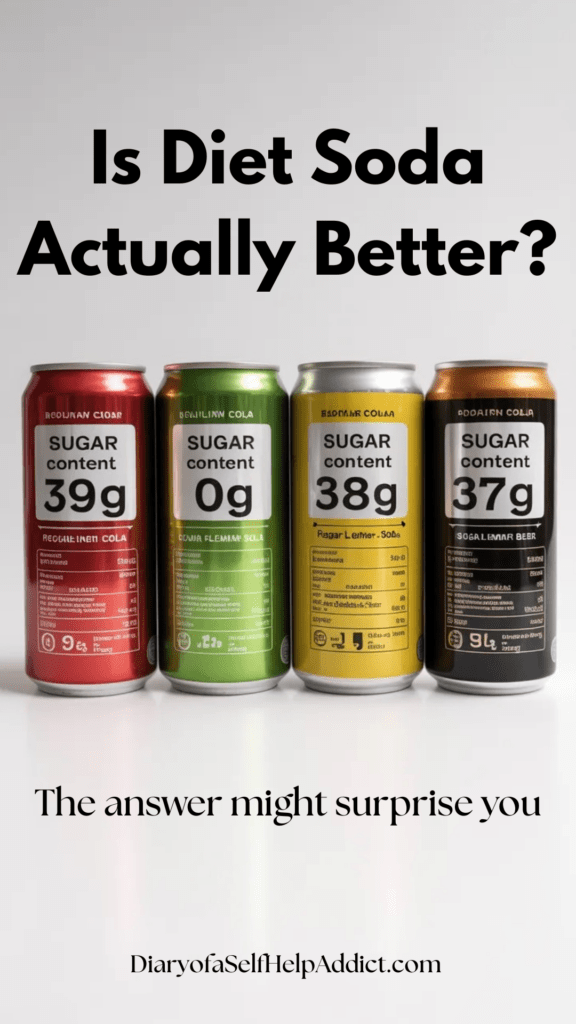
A standard 12-ounce can of soda in the U.S. contains about:
- 39–41 grams of sugar
- That’s roughly 10 teaspoons.
For reference:
- The recommended daily limit for women is about 25 grams.
- For men, about 36 grams.
So one soda can put you at or above your daily limit in seconds.
And this isn’t naturally occurring sugar… It’s usually high-fructose corn syrup (HFCS) or refined sugar.
Is Soda Different in Europe?
You might’ve heard people say, “Oh, soda is better in Europe.” Not exactly.
In the U.S., most soda is made with high-fructose corn syrup, while in many European countries, it’s made with cane sugar or beet sugar (sucrose).
European cans are also slightly smaller (330 mL vs. 355 mL), so they often contain slightly less sugar.
But here’s the honest truth: Your body processes both very similarly. Both contain a mix of glucose and fructose, and both can lead to:
- Blood sugar spikes
- Increased fat storage
- Higher risk of metabolic disease
Some research suggests HFCS may be slightly more taxing on the liver, but the bigger issue is the total sugar load, not necessarily the type.
So no… switching to “European soda” isn’t a health hack.
What Happens in Your Body When You Drink Soda
This is where things start to matter. Because soda doesn’t just “add calories”, it creates a cascade of effects inside your body that negatively affect your overall health and well-being.
1. Blood Sugar Spike + Insulin Surge
When you drink soda, your blood sugar rises quickly. Your body responds by releasing insulin to bring it back down.
Do this occasionally? No big deal. Do this daily? That’s where problems start. Over time, this pattern can lead to:
- Insulin resistance
- Increased fat storage (especially around the midsection)
- Higher risk of type 2 diabetes
- Chronic inflammation
2. Fructose Overload (Liver Stress)
A large portion of the sugar in soda is fructose, which is processed almost entirely by your liver. When you get too much of it, your liver starts converting it into fat. This can contribute to:
- Fatty liver
- Elevated triglycerides
- Increased risk of metabolic disease
3. Weight Gain (Without Feeling Full)
Here’s something a lot of people don’t realize: Liquid calories don’t register in your body the same way food does. So you can:
- Drink 150–200 calories
- Still feel hungry
- Eat the same amount (or more)
This is one of the reasons soda is so strongly linked to weight gain: it’s easy to overconsume without realizing it.
4. Increased Risk of Chronic Disease
Regular soda consumption has been consistently linked to:
- Type 2 diabetes
- Heart disease
- Obesity
- Stroke
This shows up again and again in large population studies. It’s not just about calories, it’s about how those calories are processed.
What About Diet Soda?
This is where things get a little more nuanced. Diet sodas replace sugar with artificial sweeteners like:
- Aspartame
- Sucralose
- Saccharin
So… are they better? Let’s look more closely…
Do They Spike Blood Sugar?
No. At least not in the same way.
Artificial sweeteners don’t cause the same blood sugar spike as regular sugar, which is why they’re often marketed as the “healthier” option.
But Are They Completely Harmless?
Definitely not. Even though they don’t raise blood sugar, they may still affect your body in other ways.
1. Insulin Response (Yes, Even Without Sugar)
When your body tastes sweetness, your brain can signal your pancreas to release a small amount of insulin even if there are zero calories.
Now, to be clear… It’s much smaller than with regular soda. But it’s one reason diet soda isn’t completely neutral. And frequent insulin release over time oversaturates the receptors, causing insulin resistance. This makes your body metabolically unstable, which may lead to a plethora of diseases and poor health.
2. Cravings & Appetite
Artificial sweeteners may:
- Increase cravings for sweet foods.
- Leave you feeling less satisfied.
- Lead to eating more later.
So even without calories, they can still influence your overall intake.
3. Gut Health
Some research suggests artificial sweeteners may alter your gut microbiome, which plays a role in:
- Metabolism
- Blood sugar regulation
- Inflammation
- Even anxiety and depression
- Immune system
Artificial sweeteners are exactly what they sound like… man-made chemical compounds designed to taste sweet without the calories of real sugar. While they’re often marketed as a “healthier” alternative, emerging research suggests they may still affect gut health, metabolism, cravings, and insulin signaling in ways we’re only beginning to fully understand. If you want a deeper dive into how artificial sweeteners are made and why they may not be as harmless as they seem, check out my blog: WHY ENERGY DRINKS ARE WRECKING YOUR HEALTH (EVEN THE “HEALTHY” ONES LIKE CELSIUS & ALANI)
The Bottom Line on Diet Soda
Better than regular soda? Yes, as far as calorie consumption.
Actually healthy? No.
Completely harmless? Definitely not.
Are Dark Sodas Worse Than Clear Sodas?
Short answer: slightly, but not enough to make a big difference.
Dark Sodas (Coke, Pepsi, etc.)
Often contains:
- Phosphoric acid
- Caramel coloring
Phosphoric acid has been associated with:
- Potential kidney strain
- Possible effects on bone health
Dark sodas can contain compounds like 4-MEI, a byproduct of caramel coloring, which has been classified as a “possible human carcinogen”. Yep, you read that right. A 2007 study found that 4-MEI caused lung tumors in mice.
Clear Sodas (Sprite, Ginger Ale)
Usually contains:
- Citric acid instead of phosphoric acid
- No caramel coloring
So yes, they may be slightly less problematic in those specific ways…
BUT…
They still contain just as much sugar. They still spike blood sugar the same way. So they’re not exactly a “healthy alternative.”
What About Artificial Colors?
Some sodas (especially dark or brightly colored ones) contain synthetic petroleum-based food dyes like:
- Red 40
- Yellow 5
- Yellow 6
Due to safety concerns, the FDA is starting to eliminate them from foods. Research suggests potential links to:
- Behavioral issues in children
- Inflammation
- Cancer
- Chronic diseases
- Allergic reactions
Just one more layer to be aware of.
Soda and Your Teeth (This One’s Immediate)
If long-term health risks feel abstract, this one isn’t. Soda is incredibly harsh on your teeth because it combines:
- Sugar (feeds bacteria)
- Acid (erodes enamel)
This can lead to:
- Cavities
- Tooth erosion
- Sensitivity
And yes, even diet soda can damage enamel because of its acidity. They also affect your oral microbiome, which can lead to chronic illnesses and other health issues. Read my blog to learn more here: ORAL HEALTH & WHOLE-BODY WELLNESS: WHAT YOUR MOUTH REVEALS ABOUT YOUR HEALTH
Is There ANY Benefit to Drinking Soda?
Let’s be fair for a second.
There are a few… very small upsides:
- It tastes good
- It can give quick energy (briefly)
- Diet versions can help reduce sugar intake in the short term.
But nutritionally? Soda provides zero meaningful benefits to your body.
Why Soda Is So Easy to Get Hooked On
This isn’t just about willpower. Soda is designed to hit multiple reward pathways at once:
- Sugar → dopamine release
- Caffeine → mild stimulation
- Carbonation → sensory satisfaction
That combination makes it:
- Highly palatable
- Easy to crave
- Hard to cut back on
So… How Much Is “Okay”?
This isn’t about perfection. Having a soda occasionally? Probably not a big deal.
Having one every day (or more)? That’s where the long-term impact starts to add up.
Simple Swaps That Actually Help
If you’re trying to cut back without feeling deprived:
- Sparkling water with lemon or lime
- Flavored seltzer
- Iced herbal tea
- Water with electrolytes
- Kombucha (in moderation)
You still get that “something fun to drink” feeling without the metabolic hit.
The Bottom Line
Soda is one of those things that’s so normal, we don’t question it. But when you look at the research and what’s happening inside your body, it’s pretty clear:
Regular soda = blood sugar spikes, insulin surges, and increased disease risk.
Diet soda = fewer calories, but definitely NOT healthy.
Clear vs dark = small differences, but the same core problem.
If You Take One Thing Away From This
You don’t have to give it up entirely, but it’s important to understand what soda is actually doing inside your body.
That’s what helps you make better choices without feeling restricted. Because this isn’t about fear. It’s about awareness.
And once you see it… You kind of can’t unsee it.
Cheers to your health!
XOXO,
Kelly
Pin it for later

Leave a Reply