

Gut health has become one of the biggest wellness buzzwords over the last few years, but honestly? Most people still don’t really know what a healthy gut actually looks or feels like. We focus so much on skincare, weight loss, supplements, and workouts… but meanwhile, our digestive system is quietly trying to tell us whether something is off.
And yes, a lot of the clues come down to poop.
Not exactly glamorous dinner conversation, I know. But your bowel movements can tell you a LOT about what’s happening inside your body. Frequency, consistency, color, bloating, pain, odor, gas, energy levels, and even your mood; they’re all connected to gut health and your microbiome.
The truth is, many people normalize symptoms that actually aren’t normal at all. Feeling bloated after every meal? Constipated for days? Constant stomach discomfort? Fatigue? Acne? Brain fog? Smelly armpits, no matter how much deodorant you use? Those things may not just be random annoyances. They can be signs your gut needs attention.
In this post, we’re breaking down some of the biggest signs of a healthy gut and some warning signs that your gut may be struggling.
First Things First: What Is Gut Health?
Your gut is home to trillions of bacteria, fungi, and microorganisms collectively called the gut microbiome. Some are beneficial, some are harmful, and ideally, your body keeps them in balance.
Your digestive system does far more than just process food. Your gut affects:
- Digestion
- Nutrient absorption
- Immune function
- Hormone balance
- Mood and mental health
- Inflammation
- Skin health
- Energy levels
A healthy gut microbiome helps your body function properly. An unhealthy one can contribute to a surprising number of symptoms throughout the body.
The Biggest Gut Health Indicator? Your Poop
Let’s start with the obvious.
Most people don’t pay attention to their bowel movements unless something is seriously wrong. But your poop can actually provide daily feedback about your digestive health.
How Often Should You Poop?
A healthy gut typically produces 1–3 bowel movements per day.
That surprises a lot of people because constipation has become so normalized. If you’re only going every few days, constantly needing laxatives, or straining regularly, your digestive system may not be functioning optimally.
Healthy bowel movements should be:
- Easy to pass
- Well formed
- Regular
- Not painful
- Not urgent
- Not loose or watery
- Not tiny pellets
You shouldn’t feel like you’re fighting for your life in the bathroom. And you also shouldn’t feel like you need to sprint to the bathroom five minutes after eating every meal, either. Your gut likes balance and consistency.
The Bristol Stool Chart: What Your Poop Says About Your Health
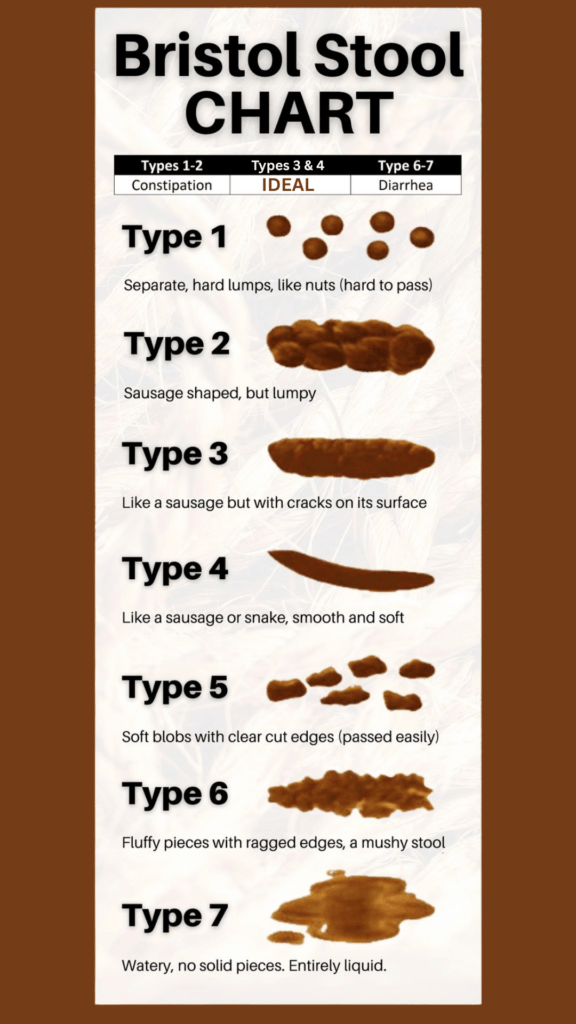
Healthcare professionals often use the Bristol Stool Chart to evaluate bowel movements. Here’s the simplified version:
Type 1:
Hard little pellets
Usually indicates constipation
Type 2:
Lumpy and hard
Still constipated
Type 3:
Sausage-shaped with cracks
Generally considered healthy
Type 4:
Smooth, soft sausage or snake-shaped
Ideal healthy stool
Type 5:
Soft blobs
May indicate a lack of fiber
Type 6:
Mushy stool
Possible inflammation or irritation
Type 7:
Liquid diarrhea
Digestive distress or infection
Ideally, you want Type 3 or Type 4 stool.
Think: smooth, sausage-shaped, easy to pass, and brown in color.
Not rabbit pellets or liquid chaos. And no floating mystery blobs.
Your poop should also sink normally and not smell overwhelmingly foul every single time.
Color Matters Too
Healthy stool is usually medium to dark brown due to bile produced by the liver.
Occasional color changes can happen from foods you eat, but consistently unusual stool colors may indicate digestive issues.
Some examples:
- Pale or clay-colored stool may indicate bile issues.
- Black stool can sometimes indicate bleeding.
- Green stool may indicate that food is passing through the intestines too quickly.
- Yellow, greasy stool can indicate fat malabsorption.
Again, occasional changes happen. But chronic abnormalities deserve attention.
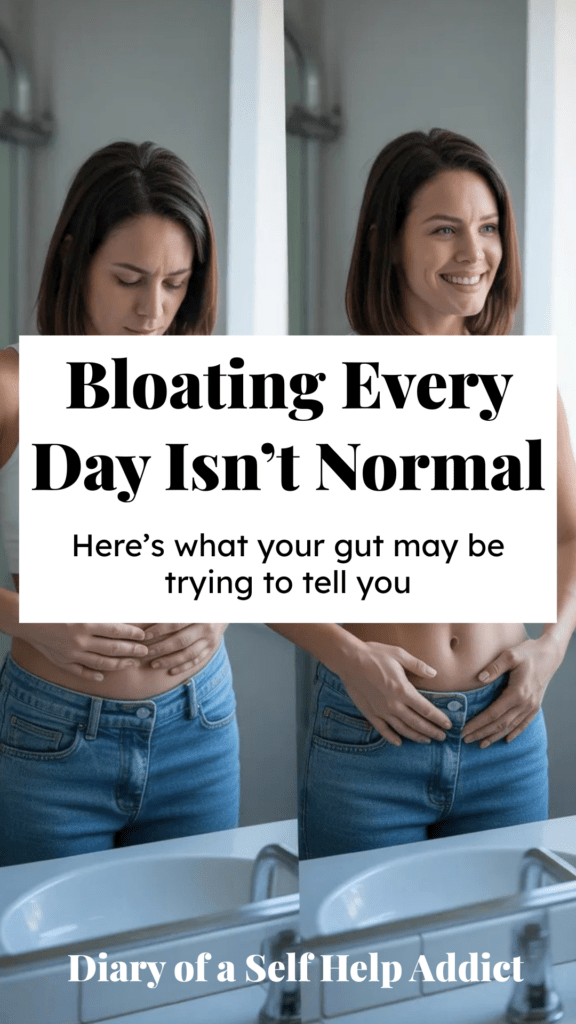
Bloating Is NOT Normal
One of the biggest misconceptions in wellness culture is that bloating is just “part of being a woman” or something everyone experiences daily.
Occasional bloating after a huge meal? Sure.
But constant bloating, abdominal pressure, painful distention, or looking six months pregnant by evening every day is often a sign your gut is struggling.
Common causes of chronic bloating may include:
- Imbalanced gut bacteria
- Poor digestion
- Food intolerances
- Constipation
- Inflammation
- Excess sugar intake
- Highly processed foods
- Stress
A healthy gut should not leave you painfully distended after normal meals.
Constipation Is a Huge Red Flag
If you’re not pooping regularly, your body isn’t eliminating waste efficiently.
When stool sits too long in the colon, toxins and waste products can linger in the digestive tract longer than intended. Constipation can also contribute to:
- Bloating
- Gas
- Abdominal discomfort
- Fatigue
- Skin issues
- Bad breath
Many people rely on coffee, laxatives, detox teas, or supplements just to have a bowel movement. That’s usually a sign that something deeper needs attention.
Related Read: VANILLA PROTEIN BLUEBERRY MUFFINS (HEALTHY DESSERT THAT DOUBLES AS BREAKFAST)
Your Mood and Gut Are Deeply Connected
This part fascinates me.
Your gut and brain communicate constantly through something called the gut-brain axis. In fact, a large percentage of serotonin, often called the “feel good” neurotransmitter, is actually produced in the gut.
The gut also influences GABA, another neurotransmitter associated with calmness and nervous system regulation.
When your gut microbiome becomes imbalanced, it may contribute to:
- Mood swings
- Anxiety
- Irritability
- Brain fog
- Low motivation
- Depression symptoms
That doesn’t mean every emotional issue is caused by gut problems, obviously. But poor gut health absolutely can affect how you feel mentally and emotionally.
Many people notice improvements in mood and mental clarity when they improve digestion and support their microbiome.
Fatigue Can Be a Gut Health Clue
A healthy digestive system helps break down food properly and absorb nutrients efficiently.
If your gut isn’t functioning well, your body may struggle to absorb key vitamins and minerals needed for energy production.
That can lead to:
- Midday crashes
- Brain fog
- Feeling exhausted after meals
- Low stamina
- Poor recovery
Sustained energy throughout the day is often a sign that your body is digesting and utilizing nutrients effectively.
Your Immune System Starts in the Gut
Did you know a huge portion of your immune system is connected to your digestive tract?
Your gut acts as one of your body’s primary defense systems. Healthy gut bacteria help regulate inflammation and support immune responses.
Signs your gut may be impacting immunity include:
- Frequently getting sick
- Chronic inflammation
- Food sensitivities
- Recurring infections
- Poor recovery from illness
A healthy gut often supports stronger overall resilience.
Skin Problems Can Sometimes Start in the Gut
Your skin and gut are surprisingly connected.
Inflammation, food intolerances, poor digestion, and microbiome imbalances can sometimes show up externally as:
- Acne
- Rosacea
- Eczema
- Redness
- Rashes
Of course, skin issues can have many causes. But when people improve their gut health, they often notice improvements in their skin too.
Bad Breath and Smelly Armpits? Yep, That Can Be Gut-Related Too
Not every odor issue comes from poor hygiene.
Digestive imbalances, bacterial overgrowth, constipation, and poor detoxification can contribute to:
- Chronic bad breath
- Excessive body odor
- Strong-smelling sweat
Your body eliminates waste through multiple pathways, including sweat. When digestion isn’t functioning well, your body may compensate in other ways.

Other Warning Signs of an Unhealthy Gut
Here are some additional symptoms that can point toward gut imbalance:
- Excessive gas
- Acid reflux
- Food sensitivities
- Cravings for sugar
- Brain fog
- Headaches
- Nausea
- Irregular bowel movements
- Chronic inflammation
- Difficulty losing weight
- Poor sleep
Again, these symptoms can have multiple causes, but gut health is often an overlooked piece of the puzzle.
What Does a Healthy Gut Feel Like?
When your gut is functioning well, you typically notice:
- Regular bowel movements
- Minimal bloating
- Stable energy
- Better mood
- Strong digestion
- Healthy skin
- Good immune function
- Less inflammation
- Comfortable stomach after meals
You shouldn’t constantly feel inflamed, uncomfortable, sluggish, or dependent on quick fixes to get through the day.
Why Paying Attention to Gut Health Matters More Than Ever
Gut health isn’t just about bloating or digestion anymore. Rates of colorectal cancer are rising in younger adults, which is one reason it’s so important to pay attention to changes in your digestive health and bowel habits.
While occasional digestive issues happen to everyone, persistent symptoms like chronic constipation, ongoing bloating, abdominal pain, blood in the stool, unexplained weight loss, or major changes in bowel movements shouldn’t be ignored.
Your poop can actually provide important clues about what’s happening inside your body, which is why paying attention to gut health and digestive function matters.
Of course, not every stomach issue means something serious is wrong, but listening to your body and getting symptoms checked when needed is always a good idea.
Modern Life Isn’t Exactly Gut Friendly
Unfortunately, many parts of modern life work against gut health:
- Highly processed foods
- Excess sugar
- Chronic stress
- Poor sleep
- Alcohol
- Antibiotics
- Sedentary lifestyles
- Environmental toxins
Over time, these things can disrupt the balance of bacteria in the gut and contribute to digestive issues.
The good news? The gut is incredibly adaptable and often responds well to supportive lifestyle changes.
Future Posts: How to Actually Heal Your Gut
This post is really about awareness (not medical advice) and learning how to recognize whether your gut may need support.
In upcoming posts, I’ll dive deeper into some of the ways people naturally support gut health, including:
- Fermented foods
- Probiotics and supplements
- Lifestyle changes for digestion
- Stress reduction
- Fiber and nutrition
- Hydration
- Sleep and movement
Because healing the gut usually isn’t about one magic supplement. It’s about consistently creating an environment where healthy bacteria can thrive.
Kelly’s Thoughts
Your body gives you signals constantly.
And while poop may not be the most glamorous wellness topic on the internet, it’s one of the most honest indicators of what’s happening inside your digestive system.
If you’re dealing with chronic bloating, constipation, fatigue, mood swings, acne, headaches, bad breath, or irregular bowel movements, your gut may be trying to get your attention.
A healthy gut should allow you to digest food comfortably, eliminate waste regularly, maintain steady energy, and support overall wellness from the inside out.
So yes… maybe it’s time we all started paying a little more attention to our poop.
What’s one gut health symptom you’ve struggled with the most lately… bloating, constipation, fatigue, acne, or something else? Comment down below and let’s talk about it 👇
Pin it for later

This is so fascinating! I’ve known that gut health is important but didn’t really know how to monitor it. Next time my kids ask for help wiping the butt, I’ll take it as an opportunity to start assessing their gut health 😂
Bahaha!! Love that!! 🤣🤣
I love this! For me, it was fermented foods that really make a difference, sauerkraut especially. Thanks for all the practical advice!
Thanks, Tina! Yes, fermented food are amazing!!🤩
Thank you for this post! Such a good reminder to look after our gut health. I’m looking forward to your posts on healing the gut. I try to use fermented foods but would love to learn more about this.
Thank you, Halina! More gut healing posts coming soon!
Very interesting read! It’s amazing how many health issues are contributed to a gut that is out of balance.
You’re so right, Rachel! Gut health is everything.