

Blog Update: June 2026
When I originally published this post, Finley was only 7 years old and eating a combination of Dr. Marty’s small-breed dog food and homemade meals. Since then, a lot has changed.
Finley is now 8½ years old, and over the years, I’ve continued to research canine nutrition and pay close attention to how she responds to different foods. Like many dogs, her needs have changed as she’s gotten older.
We eventually stopped using Dr. Marty’s food because she seemed to develop some sensitivities and simply wasn’t as interested in eating it anymore. We then experimented with a vegan dog food to provide some crunch alongside cooked meat, but after a lot of trial and error, we’ve landed on what seems to work best for her.
What’s Changed Since I First Published This Post
Today, Finley primarily eats this homemade meatloaf recipe, and she’s thriving on it. Her digestion is good, her energy levels are great, she maintains a healthy weight, and she cleans her bowl every time. Honestly, she seems more satisfied now than she ever was with kibble.
One thing I’ve learned along the way is that every dog is different. Finley has always had a sensitive stomach, so whenever I introduce a new food or supplement, I only add one thing at a time and watch closely for any changes. That’s how we discovered that chicken doesn’t seem to agree with her. While she does well with eggs, we now typically use ground turkey as the primary protein in her homemade meals.
A couple of months ago, Finley also injured her right rear leg while running around the backyard. We took her to the emergency veterinarian, who believed it was likely a severe sprain. Thankfully, she’s doing much better now and rarely limps. Since then, we’ve added a few supplements to support her joints, ligaments, and overall mobility. Whether her improvement is due to supplements, natural healing, or a combination of both, we’re grateful to see her feeling more like herself again.
Over the years, I’ve researched, tested, and fine-tuned what works best for Finley’s health and happiness. In this guide, I’ll share what I’ve learned about healthy foods for dogs, foods to avoid, how to determine portion sizes, Finley’s updated homemade dog food recipe, and the supplements we currently use.
As always, remember that every dog is unique. What works wonderfully for Finley may not be the best fit for your dog. Be sure to consult your veterinarian before making significant changes to your pet’s diet or supplement routine.
Healthy Foods for Dogs
Dogs thrive on a balanced diet of protein, healthy fats, fiber, and essential vitamins. Here are some of the best ingredients to incorporate into your pup’s meals:
1. Lean Proteins
- Chicken
- Turkey
- Beef
- Salmon (great for omega-3s and skin health)
- Eggs (cooked, not raw)
2. Healthy Carbohydrates & Fiber
- Oatmeal (easy to digest and suitable for energy)
- Brown rice
- Sweet potatoes
- Quinoa
3. Fruits & Vegetables
- Apples (without seeds, which are toxic)
- Blueberries (antioxidant-rich)
- Carrots (great for dental health)
- Pumpkin (aids digestion)
- Zucchini (low-calorie, nutrient-dense)
- Green beans
4. Healthy Fats
- Coconut oil (helps with skin and coat health)
- Flaxseeds
- Chia seeds
Related Read: UNLOCK THE BENEFITS OF HEALTHY LIVING WITH THRIVE MARKET!
Unhealthy (or Dangerous) Foods for Dogs
Not everything safe for humans is safe for dogs. Some foods can be harmful or even toxic:
- Chocolate & Caffeine – Contains theobromine, which is toxic to dogs.
- Grapes & Raisins – Can cause kidney failure.
- Onions & Garlic – Toxic in large amounts and can damage red blood cells.
- Avocado – Contains persin, which can be harmful.
- Xylitol (in sugar-free gum & peanut butter) – Can cause liver failure and dangerously low blood sugar.
- Alcohol & Raw Dough – Both are highly toxic.
- Macadamia Nuts – Can cause muscle tremors and weakness.
Determining the Right Portion Size for Your Dog
When making homemade dog food, it’s crucial to portion meals correctly based on your dog’s weight and activity level. A general guideline:
- Small Dogs (10-20 lbs): ¾ to 1 cup per day or 300-500 calories
- Medium Dogs (20-50 lbs): 1 to 2 cups per day or 500 to 800 calories
- Large Dogs (50+ lbs): 2 to 4 cups per day or 900-1100 calories
Active dogs may need more, while older or less active dogs may need less. Always check with your vet to fine-tune portion sizes for your pup’s specific needs.
Most vets recommend feeding dogs twice daily to help regulate digestion and prevent stomach acid buildup, which can cause discomfort or vomiting if their stomachs remain empty for too long.
Homemade Dog Food Recipe: Finley’s Favorite Meal
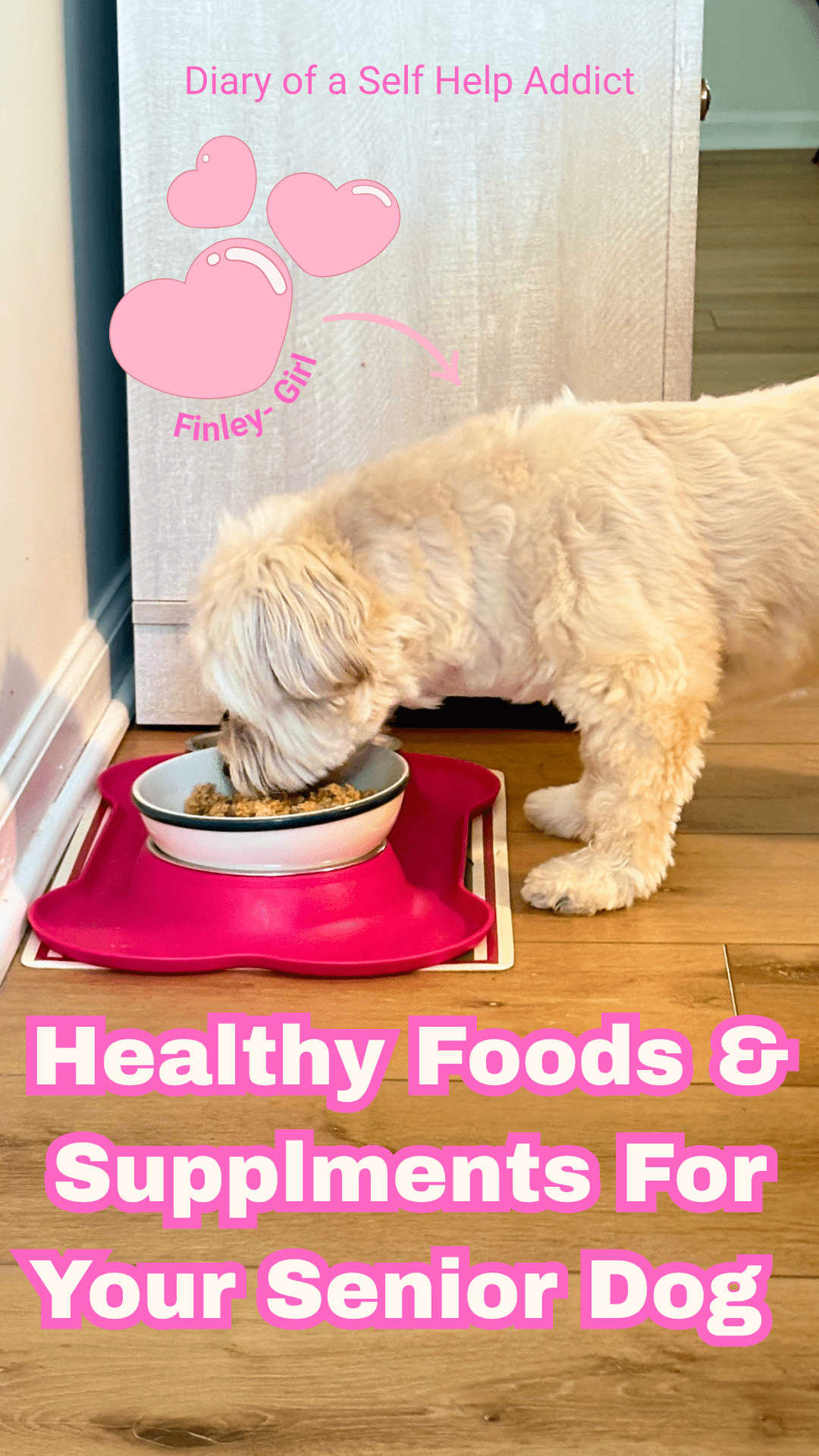
This simple, nutrient-packed meal is easy to prepare and packed with essential nutrients, and Finley loves it!
Ingredients
- 2 lbs ground turkey
- 2 eggs
- 2/3 cup rolled oats
- 1 apple with skin, grated (no seeds)
- 1 zucchini, grated
- 1/2 can of pumpkin
- 1 cup frozen broccoli florets, chopped
- 3/4 cup frozen green peas
Instructions
- Preheat oven to 350°F
- Mix all ingredients thoroughly
- Place in a 9 x 13 casserole dish
- Bake ~45 minutes or until fully cooked
- Cool completely before portioning
This recipe yields approximately 2,200 calories. Use portion guidelines listed as a starting point, but always consult your veterinarian regarding your dog’s individual nutritional needs.
Storage Guidelines
- I typically freeze half immediately and refrigerate the remainder for the week.
- Refrigerate: up to 4–5 days
- Freeze: up to 2–3 months
Total Estimated Batch Calories
- With 93% lean turkey: ≈ 1,950 – 2,100 calories total
- With 85% lean turkey: ≈ 2,250 – 2,450 calories total
Easy serving reference
- 10 equal portions → ~195–210 calories each
- 8 portions → ~245–260 calories each
- 12 portions → ~160–175 calories each
Additional Tips for Feeding Your Dog
- Gradual Transition: If switching to homemade food, introduce it slowly over a few days to avoid stomach upset.
- Hydration Matters: Always provide fresh water, especially if feeding dry kibble.
- Supplements: Add omega-3s, probiotics, or a vet-approved multivitamin for added health benefits.
- Monitor Weight & Energy Levels: Adjust portions as needed to maintain a healthy weight.

Supplements We Currently Add to Finley’s Food
- Vitamin B Complex + CoQ10
- Alternating probiotics + digestive enzymes
- Omega-3 supplement
- Ligaplex (joint/ligament support)
Since adding these (especially after her leg injury), she has shown great improvement in mobility and rarely limps anymore.
In addition, Finley takes a chewable multivitamin once a day that we purchase from our vet to make sure she’s not missing any essential vitamins and minerals.
Related Read: OUR SUMMER WITH A SICK PUPPY: A SCARY JOURNEY (AND WHAT WE LEARNED ABOUT GIARDIA)
What I’m Considering Adding Next
One thing I’ve learned from having a dog with a sensitive stomach is that slow and steady wins the race.
Whenever I introduce a new food or supplement, I only add one thing at a time and watch closely for any digestive upset, itching, changes in stool, or other reactions before introducing anything else.
After researching canine nutrition and joint health, here are a few things I’m currently considering adding in the future:
- Sardines packed in water: a natural source of Omega-3 fatty acids, Calcium (if the bones are included), Vitamin D, iodine, selenium, and B12… not to mention protein.
- Finely ground egg shells for added calcium
- Ginger powder, which may support digestion and healthy inflammatory responses
- Turmeric powder, which is often used for its anti-inflammatory properties
- A very small amount of black pepper to potentially help with turmeric absorption, as recommended by our veterinarian
- A mushroom complex formulated specifically for dogs because Beta-glucans are important for a healthy metabolism, gut health and cancer prevention.
For now, I’m still researching and taking things one step at a time. Finley is doing so well on her current routine that I’m in no rush to make major changes.
As always, talk with your veterinarian before adding new foods or supplements to your dog’s diet. I introduce everything slowly, one at a time, and monitor carefully. Plus, I always check with my vet first.
Kelly’s Thoughts
After years of experimenting, researching, and paying close attention to how Finley responds to different foods, I’ve learned that there is no one-size-fits-all approach to canine nutrition.
What started as an occasional homemade meal has evolved into the primary food she eats today. At 8½ years old, she’s maintaining a healthy weight, has good energy, enjoys her meals, and is moving comfortably again after her recent leg injury.
That doesn’t mean I’ve stopped learning. In fact, the more I research homemade dog food, the more I realize how important it is to look beyond protein and vegetables and consider things like calcium, vitamin D, iodine, trace minerals, and other nutrients that dogs need for long-term health.
For that reason, I continue to evaluate Finley’s diet, work with our veterinarian, and introduce new foods and supplements carefully and always one at a time. I’m currently researching additions such as sardines, turmeric, ginger, and a canine mushroom blend to see if they might provide additional nutritional or joint-support benefits.
My goal isn’t to create the “perfect” dog food. It’s to provide Finley with nutritious meals made from real ingredients while continuing to learn and make improvements along the way.
Every dog is unique, and what works for Finley may not be the best fit for your dog. If you’re considering homemade meals, I encourage you to do your research, work closely with your veterinarian, and pay attention to how your own dog responds.
After all, our dogs give us unconditional love every day. Providing them with wholesome nutrition is one of the many ways we can return the favor.
Do you make homemade food for your dog? I’d love to hear what’s working for your pup in the comments below!
Pin it for later
Love that more awareness is being raised for healthy animal food rather than bagged store food. Good tips!,
Thank you, Kayla!